
17th September 2026 – Fish Passes
For fish, a weir can be more than just a small drop in the river, it can be an impassable barrier.
Fish passes provide a way through, allowing fish to move upstream to reach the habitats they need to feed, shelter and spawn.
Across the Cotswolds, we’re working to identify and improve barriers like these, helping reconnect our rivers and restore fish passage as small changes can open up a whole river to fish.
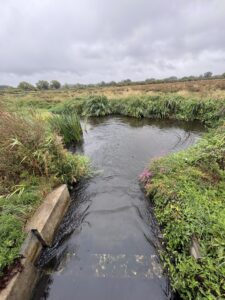
At Chimney Meadows there is a bypass channel to allow fish to move around the weir and through the upper Thames living landscape. See image below.
4th August 2026 – Old Father Thames
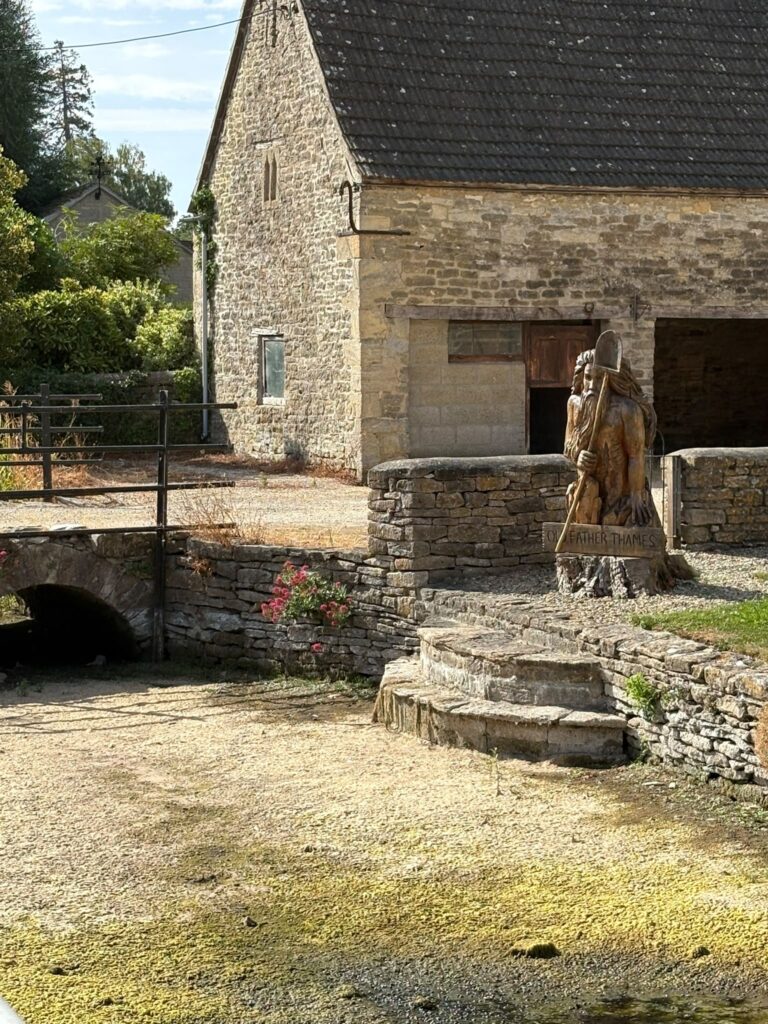
An ominous sign of the times? The wooden carving of Old Father Thames at Ashton Keynes overlooking a dried up river bed that only months ago was filled with a variety of aquatic life.
While the Upper Thames drying up is a nature feature, the frequency and duration of these period are appearing to increase as our climate changes. Hotter summer, more intense rainfall, longer dry spells, and increasing pressure on our water resources mean our rivers are experiencing greater extremes than ever before.
Too often, Natural Flood Management (NFM) is viewed purely as a tool for reducing flood risk. In reality, it is about making entire catchments more resilient.
When we restore wetlands, reconnect rivers to their floodplains, install leaky barriers, improve soil health, and create woodland, we are helping landscapes function as they were intended. Instead of rainfall rushing quickly into rivers and out to sea, more water is slowed, stored and allowed to infiltrate into the ground. That water then recharges aquifers, supports groundwater-fed rivers, and helps sustain flows during prolonged dry periods.
Have you noticed your local river drying up where it would normally be flowing? We would love to hear from you. Please send us your photographs and observations, and we will be happy to investigate and explore whether Natural Flood Management opportunities could help improve resilience in your local catchment.
30th April 2026 – Snake’s-head Fritillary
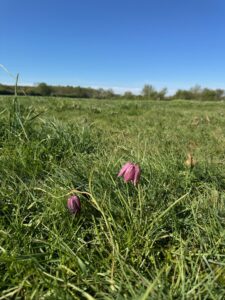
Associated with wet, unimproved hay meadow habitat, this species is protected and classified as vulnerable due to significant declines driven by habitat loss. Fortunately, the Thames and surrounding floodplains continue to support nationally important populations. North Meadow National Nature Reserve at Cricklade alone holds around 80% of the UK’s native population, with additional strongholds at Ducklington and Iffley Meadows.
Flowering from mid-April to early May, it is also known as the hooded lily. This photograph was taken during a team site visit to a farm bordering the infant Thames at Ashton Keynes part of a growing citizen science and restoration programme of works in the area.
16th March 2026 – River Restoration
On the Upper Windrush, we’ve been adding leaky dams and berms to help slow the flow and reconnect the river to its floodplain.
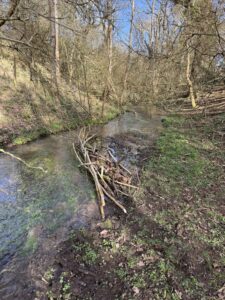
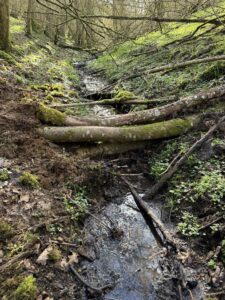
These simple, nature-based solutions help reduce flood risk, improve water quality, and create better habitats for wildlife.
You can read more about our work here.
27th February 2026 – River Health
No single stretch of river in England or Northern Ireland is in good overall health.
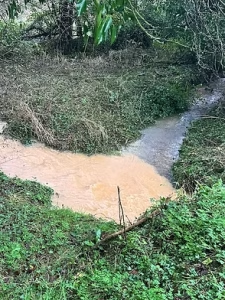
Read more on river health here.
16th February 2026 – Black Poplars
There are only 7000 Black Poplars left in the UK. The total loss of black poplar from our landscapes would impoverish the landscape and arboricultural history. Fortunately, you can read more about a pioneering tree planting project with the National Trust here.
1st February 2026 – Riverflies
Some mayflies (a type of riverfly) live for up to a year underwater as an immature nymph, but as winged adults, they only survive for approximately 24 hours.
