
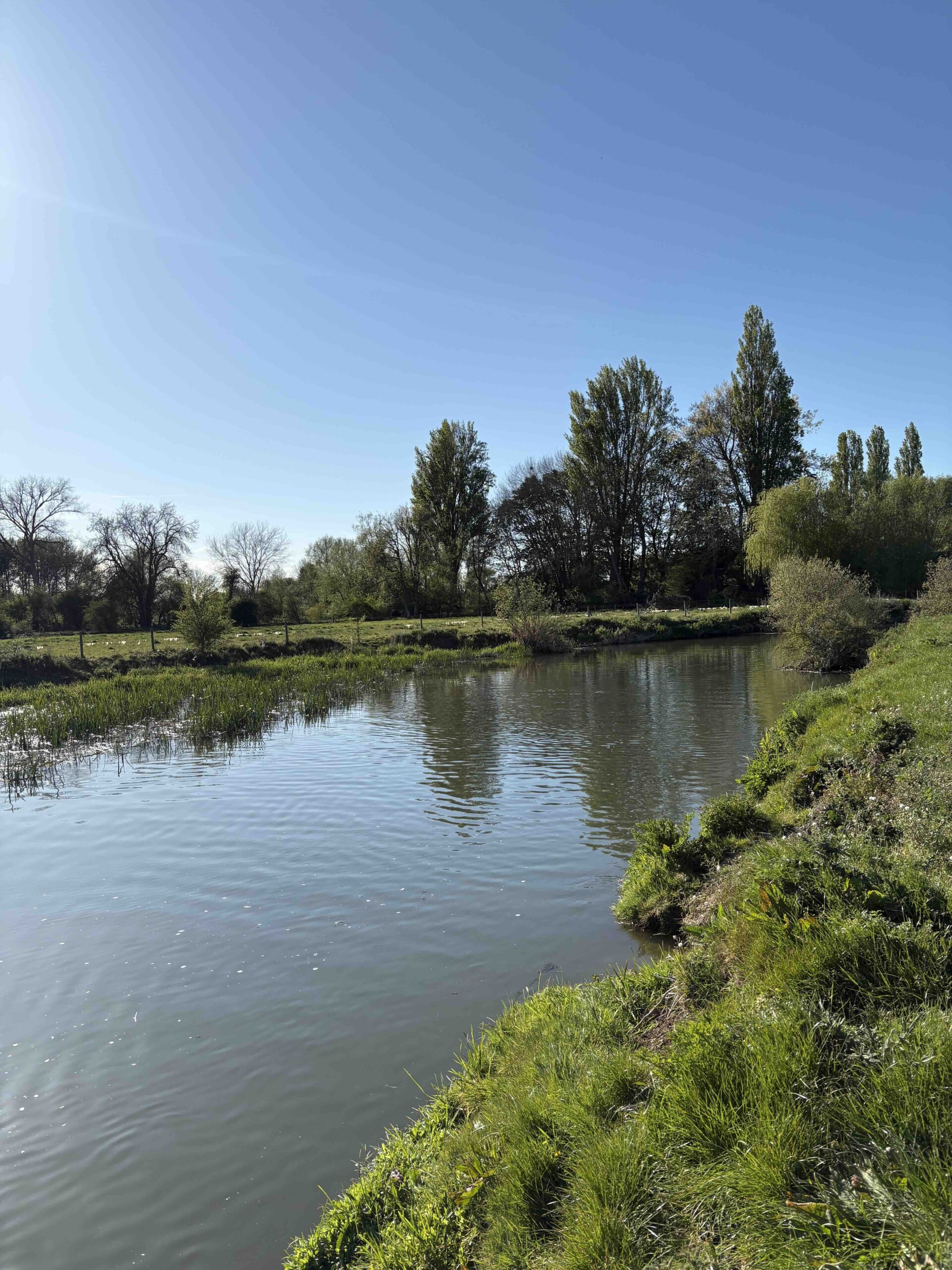
In the upper reaches of the Thames, which we call the Infant Thames we tested water at three sites along the same stretch.
Each one told a different story.
Nitrogen and phosphorus levels varied between sites, showing how local pressures can quickly impact river health, even over short distances.
From land use to runoff, small changes add up.
We aim to carry out more testing like this, helping us better understand what’s happening in our rivers and where action is needed most.
Better data means better decisions for our rivers.
Map of Infant Thames Area of Interest
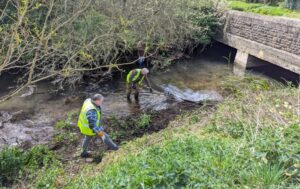
Volunteers in Ashton Keynes clearing rubbish from the Infant Thames river. The volunteers went on to also litter pick many of the village streets, lanes and drainage ditches. In one day they collected 7 tyres, an old bedstead, a fridge, various engine and lawn mower parts, a trolley basket and a safe to the 20+ black bags of rubbish, bottles and cans that were cleared.
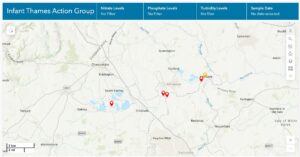
We are collecting monthly water samples for nitrate and phosphate analysis to monitor the condition of the Infant Thames and its tributaries. This data will support evidence-based decisions on where to implement nature-based interventions.
Become a river hero!
Call for Volunteers
Over the coming year, we plan to kick off a series of citizen science projects and engagement opportunities to further our understanding of our watercourses and to develop larger restoration projects.
Monitors out on the River Trails
You can get involved as a volunteer ‘monitor’ by adopting a section of the river. Monitors survey their allocated reach at least once every three months, and following extreme weather events, reporting any issues through a dedicated online system. We especially encourage people who live or work nearby to volunteer, helping to keep travel costs and carbon emissions to a minimum.
We would love to hear from you. To get involved, please contact ellie.pryor@cotswoldsriverstrust.org
