
Site visits have identified sections where the brook does not flow as a continuous channel and appears to be sustained largely by inputs from outfalls. Some discharges have been associated with unpleasant odours, visible growth on the channel bed and blue-green discolouration of the water. Further downstream, slow-moving water and limited signs of aquatic life suggest that the ecosystem is under considerable pressure.
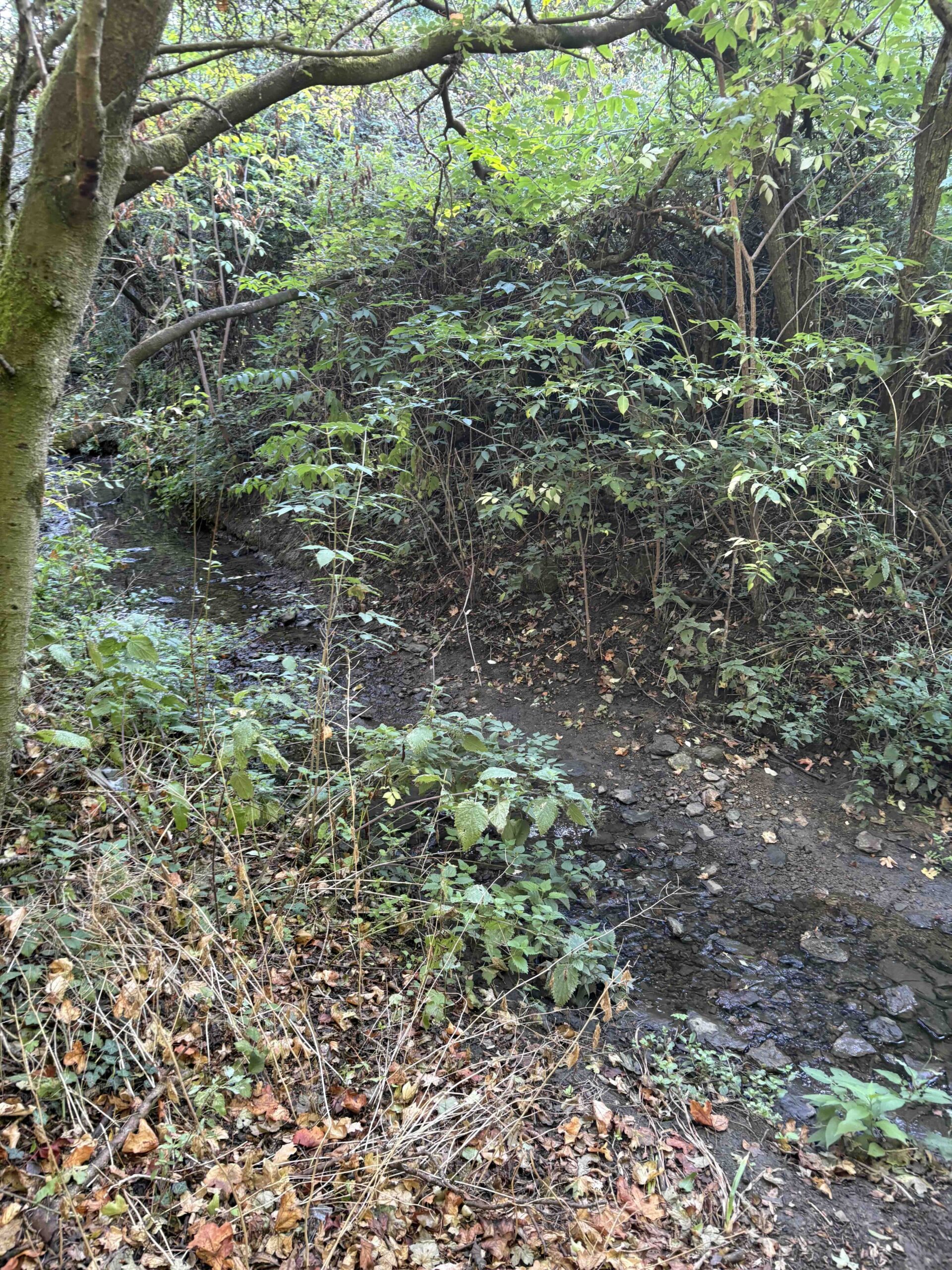
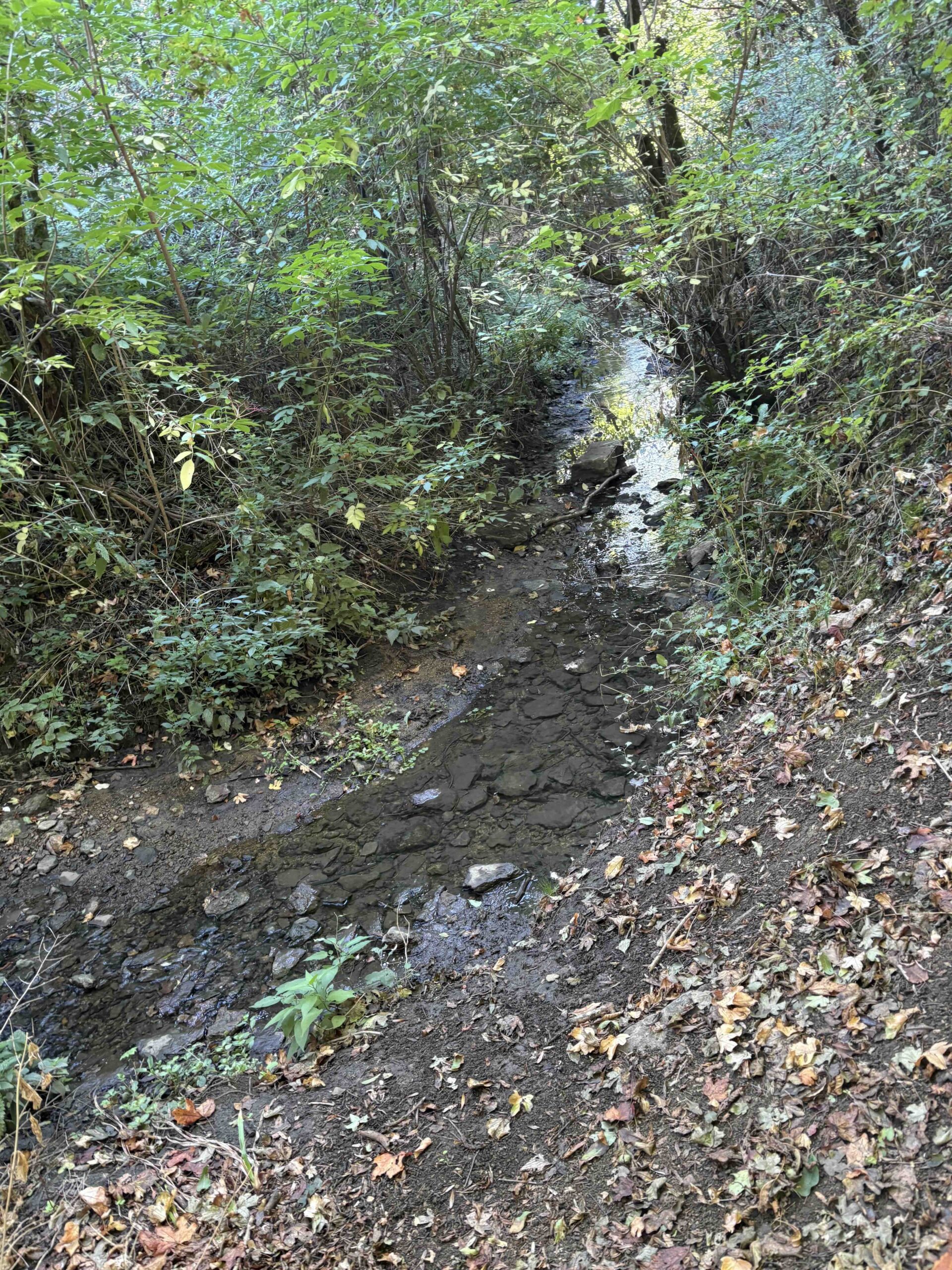
Understanding pollution is the first step towards restoration.
Preliminary Environment Agency water quality data indicate elevated concentrations of certain metals, including iron and cadmium, compared with expected background conditions. However, existing data are limited and do not yet provide a complete picture of the pollutants present or their sources.
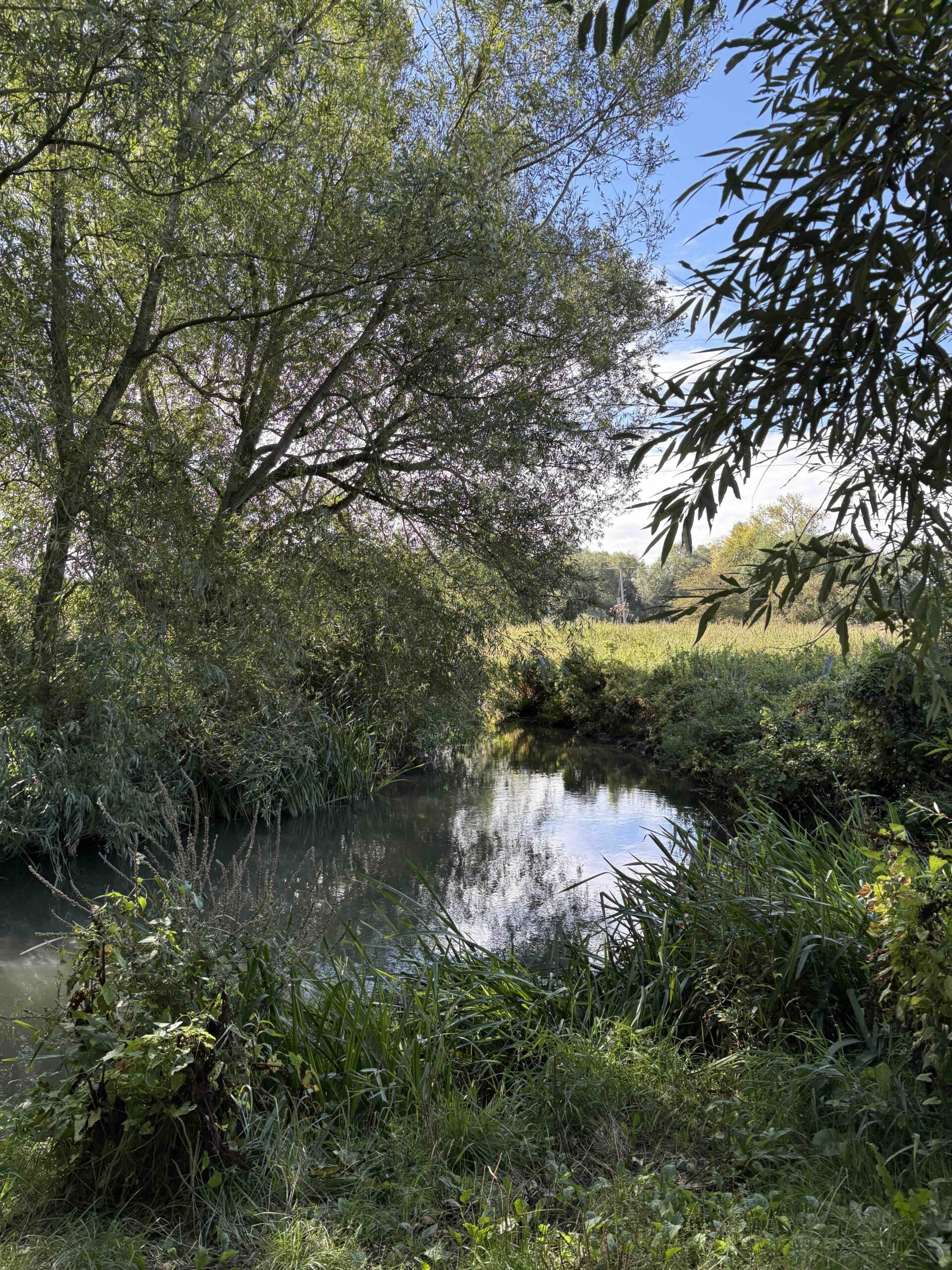
The Cotswolds Rivers Trust has secured funding through the Wildlife Trust and Thriving in Nature, supported by Oxfordshire Community Foundation (OCF), to establish a baseline of water quality in Colwell Brook and the surrounding watercourse network. Targeted chemical testing will help us identify key pollutants, investigate potential sources and build a stronger evidence base to guide future restoration.
Once the water quality risks are better understood, there will be opportunities to introduce nature-based interventions, such as strategically placed woody material and leaky woody dams. These could help diversify habitats, improve flow patterns and slow peak flows, supporting a healthier and more resilient watercourse.
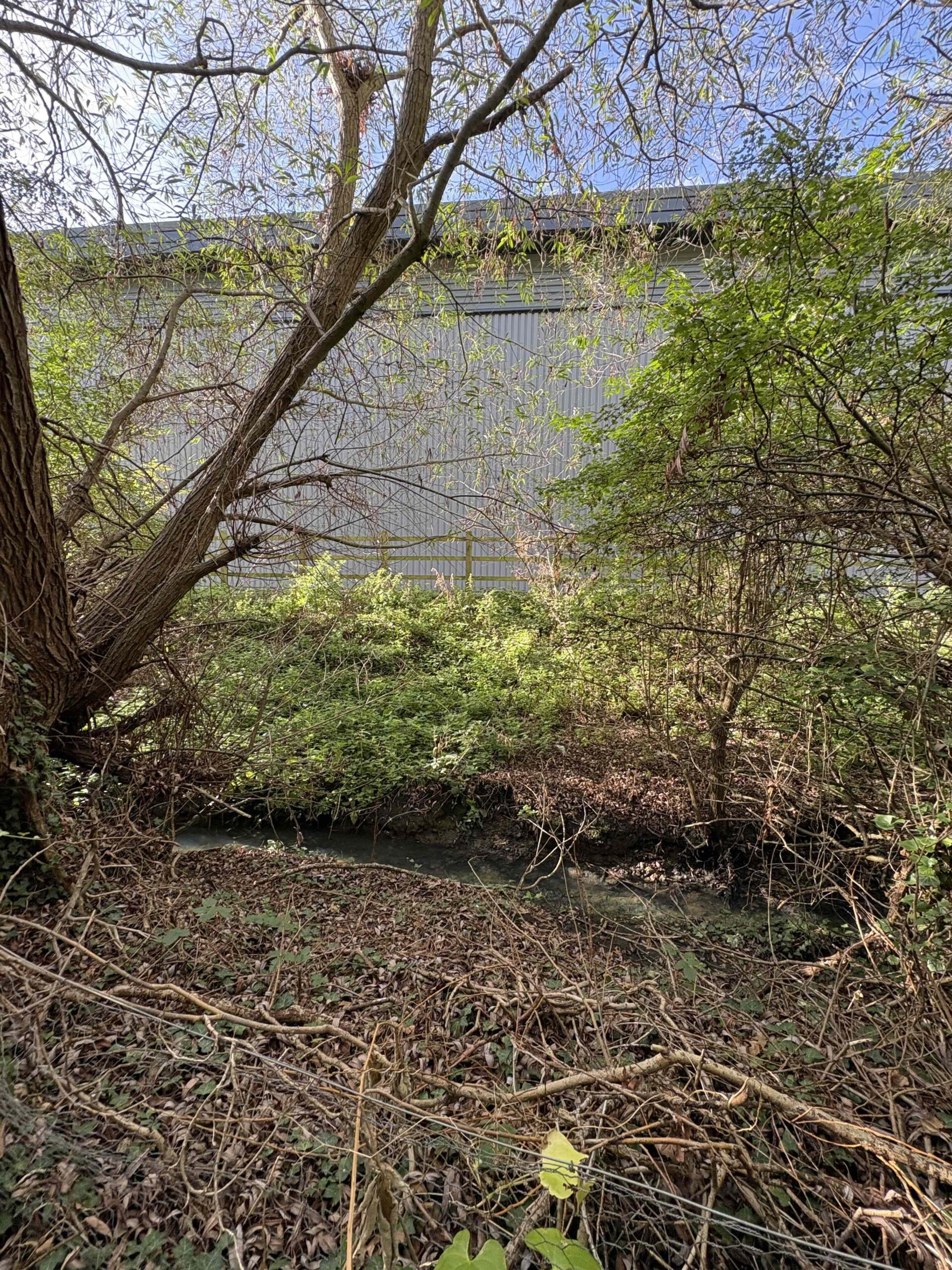
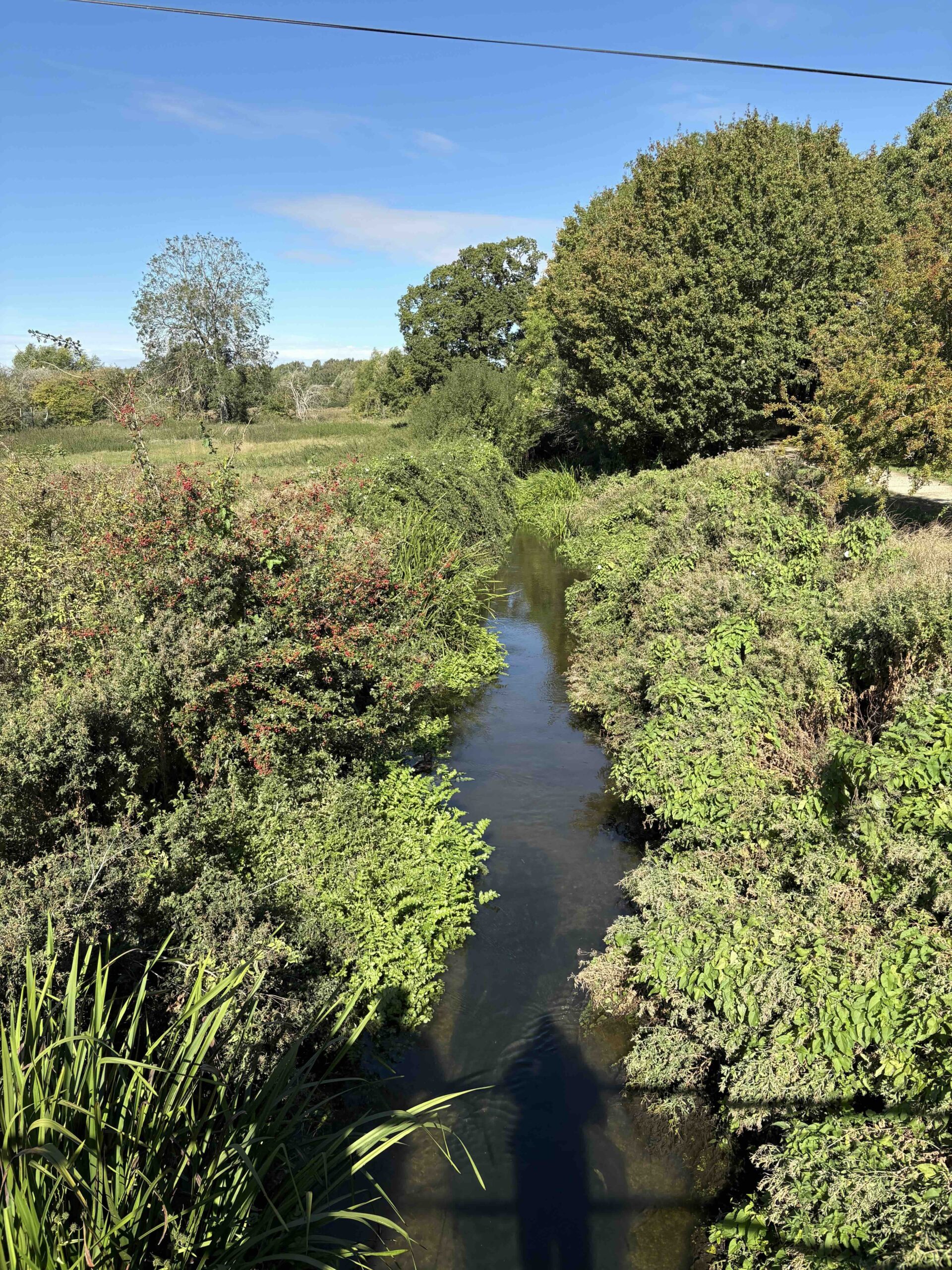
Improving the health of Colwell Brook is important for both wildlife and the local community. During high-flow events, water from Emma’s Dyke has the potential to reach Ducklington Lake, highlighting the importance of understanding and addressing pollution risks. With climate change expected to bring more frequent and intense rainfall events, developing a robust evidence base now will help guide future action.
The project also presents an opportunity to monitor potential changes in water quality following recent upgrades to Witney Sewage Treatment Works.
Become a river hero!
Call for Volunteers
If you live, work, or visit the area and would like to get involved or support our work, then please get in touch with Ellie Pryor at: ellie.pryor@cotswoldsriverstrust.org
