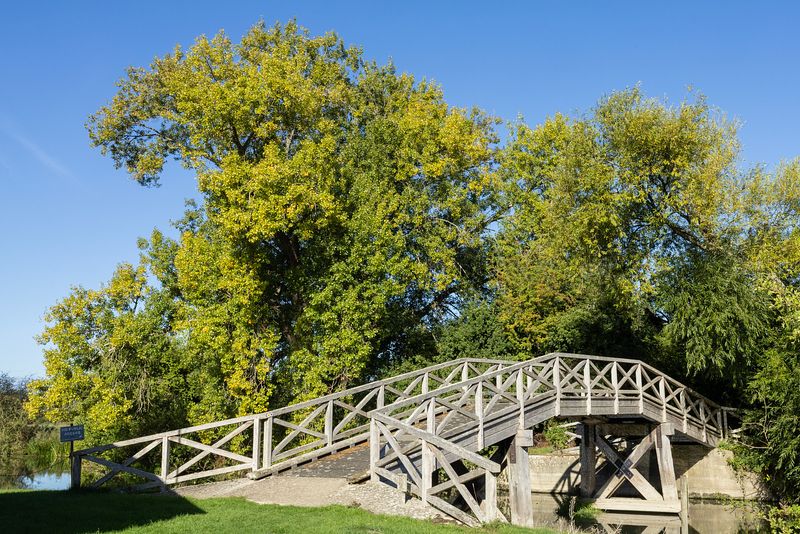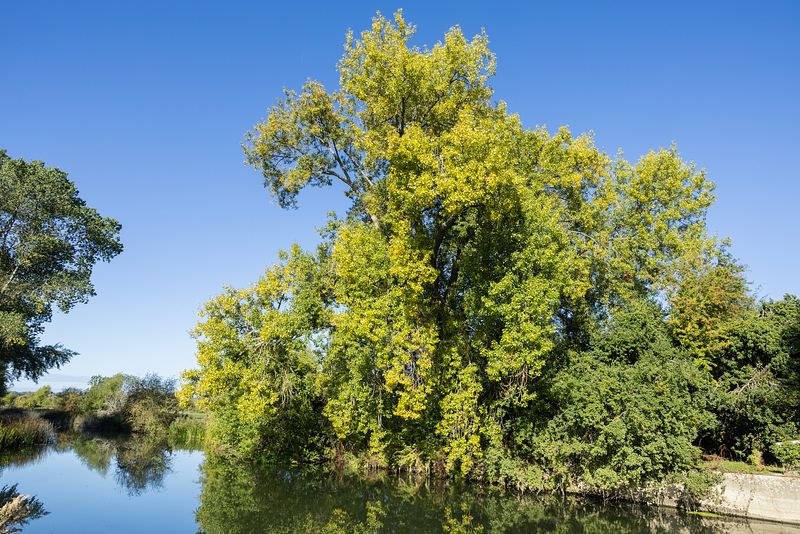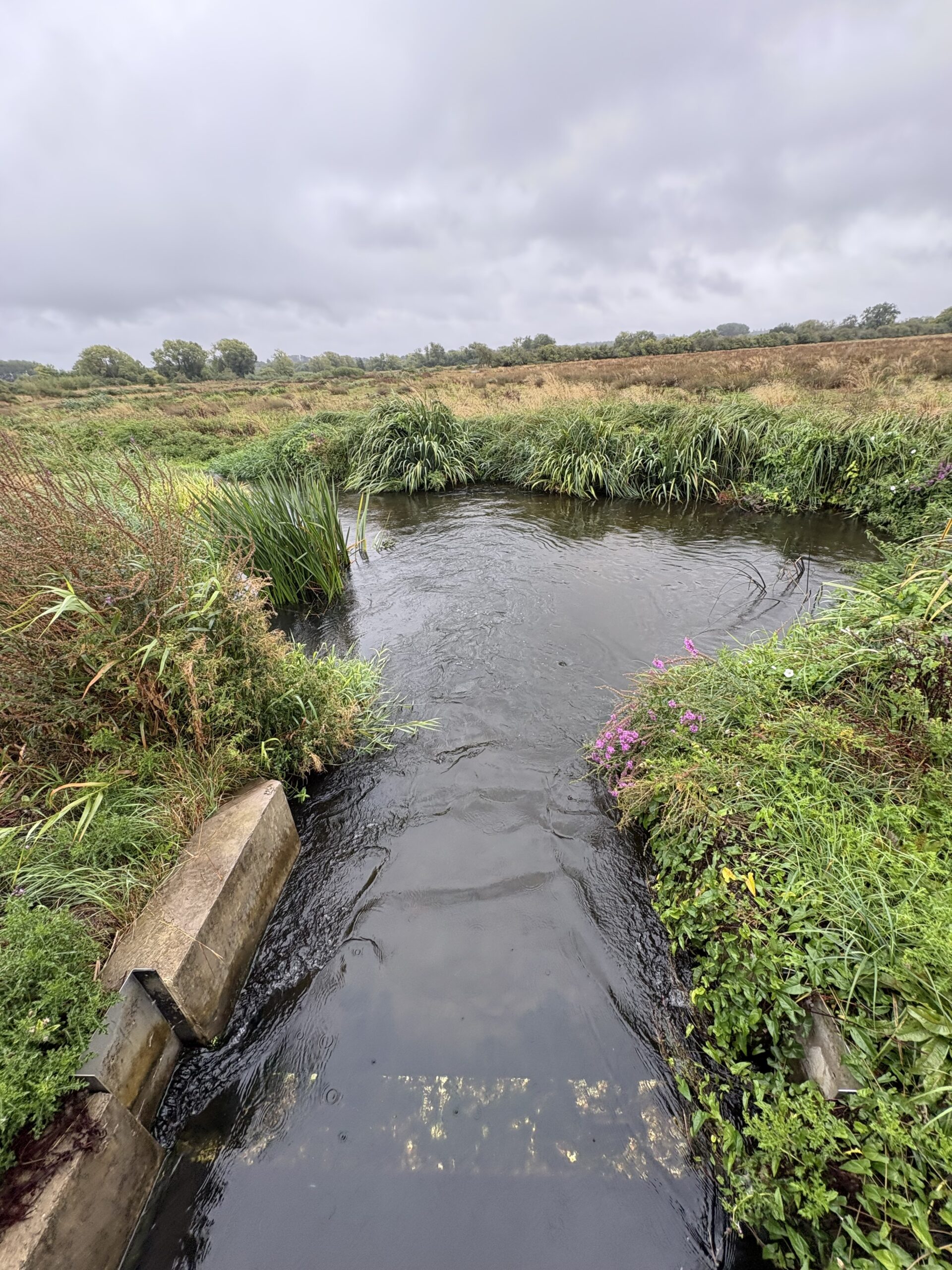
Earlier this year, a collaborative partnership was awarded more than £90,000 from the Farming in Protected Landscapes (FiPL) programme, administered by the Cotswolds National Landscape, to advance the restoration of floodplain meadows along the River Windrush and to begin developing a suite of natural flood management (NFM) interventions.
Now at the halfway point of the project, this is an opportune moment to reflect on the significant progress made to date and to look ahead to the work still to come.
Partners involved with the delivery of this groundbreaking project include the Cotswolds Rivers Trust, North East Cotswold Farmer Cluster, Farming & Wildlife Advisory Group (FWAG) and Glorious Cotswold Grasslands.
Floodplain meadow restoration
Initial efforts focused on landowner engagement and the review and updating of land management plans originally developed as part of the Windrush Floodplain Meadow Strategy. This groundwork proved critical in identifying sites ready to move from planning into delivery.
At the heart of the project was the ambition to bring 15 hectares of land into active restoration. Thanks to the expertise of the Glorious Cotswold Grasslands and FWAG teams, alongside the invaluable contribution of numerous volunteers, this target was exceeded. In total, 16.75 hectares was prepared and sown with locally appropriate floodplain meadow seed mixes, supplemented with plug planting to maximise establishment success. Species incorporated included floodplain indicators such as Great Burnet, Devil’s bit scabious, tufted vetch, betony and ragged robin.
Targeted investment of time and resources into landowner and farmer engagement has paid dividends. Several additional sites have already been identified as strong candidates for future restoration phases. This progress has been greatly supported by the local Catchment Sensitive Farming (CSF) team, whose involvement has helped develop conversations around long-term management and future capital and revenue payment options.
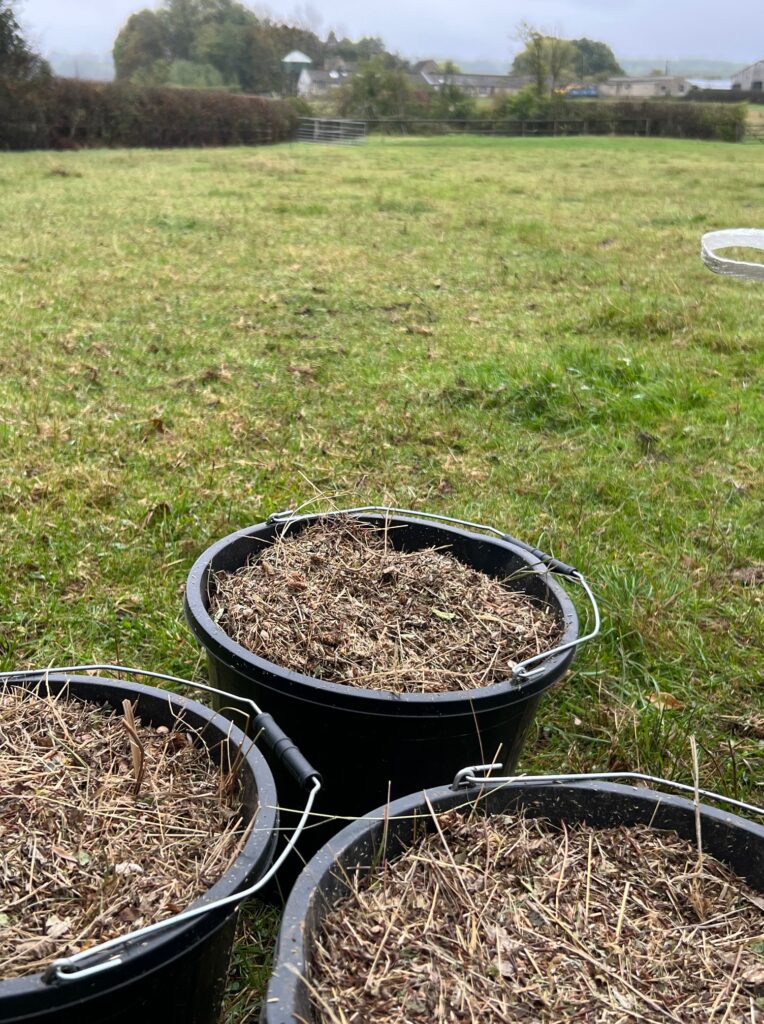
Sowing seeds on a restoration site
Wetland creation and natural flood management
The Windrush Floodplain Meadow Strategy also highlighted areas where conditions, particularly elevated nutrient levels and prolonged wetness, make traditional floodplain meadow restoration less suitable. In response, the second element of the FiPL-funded project has focused on designing natural flood management interventions at three sites, ensuring environmental gains are still delivered in these locations.
At these sites designs are underway to hold water on the land for longer, helping to slow flows and reduce flood risk downstream. Two of these sites are located in the Middle Windrush, where wetland and habitat creation is the primary focus. The third site, in the Upper Windrush, will concentrate on more traditional NFM measures, including leaky dams and field bunds, designed to attenuate high flows in ephemeral channels that remain dry for much of the year.
Next steps
With this season’s fieldwork now complete, attention is turning to forward planning for the next phase of the strategy. To realise its long-term ambitions, floodplain meadow restoration will need to progress at a rate of more than 16 hectares per year for the next 20 years. A key focus for the partnership is therefore securing further funding, ensuring that farmers and land managers are properly supported and rewarded for both their management efforts and the biodiversity gains delivered.
Alongside this, by the end of March, the project will have completed three detailed site designs for natural flood management (NFM) interventions. Two of these will be progressed towards permitting and consents, with construction completed for the Upper Catchment site within this phase of the project.
If you would like to find out more about the project, or if you are a landowner with potential opportunities to restore floodplain grasslands or introduce measures to slow the flow and re-wet land, we would be very happy to hear from you.